Sun Spa
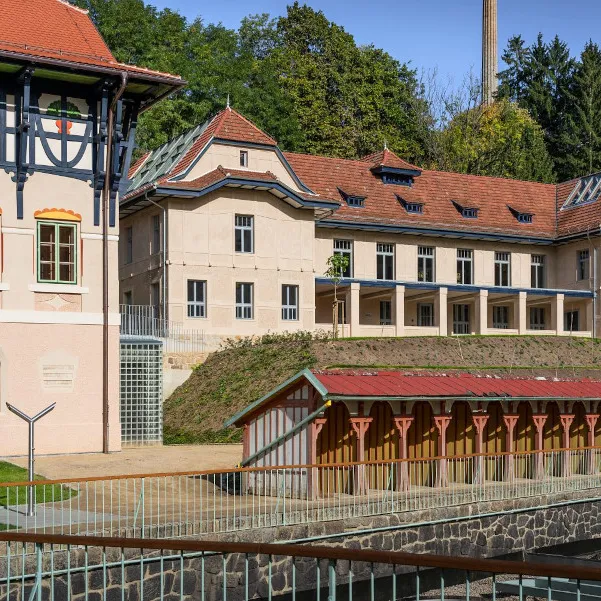
The Rebirth of a Masterpiece by Dušan Jurkovič
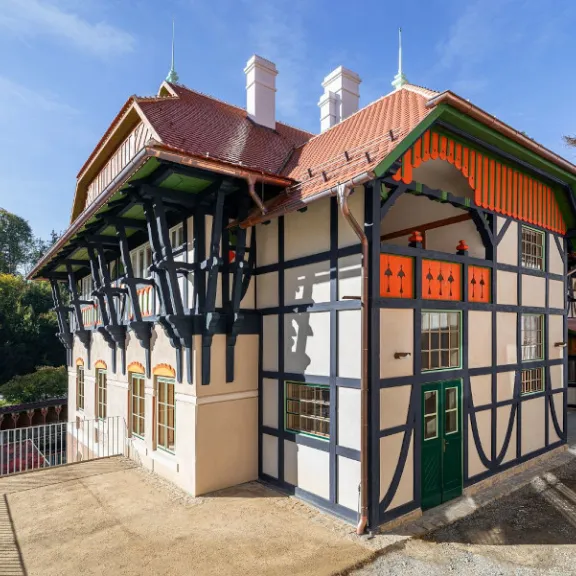
At the end of March 2021, the extensive restoration of the Hydrotherapy Institute, the River and Sun Baths, and other related buildings began. The aim of the project was to preserve an exceptional architectural work by Dušan Jurkovič, which was proposed for designation as a national cultural monument.
The previously unused bathing facilities have been transformed into a permanent exhibition, serving as a unique testimony to the spa culture and atmosphere of the early 1900s.
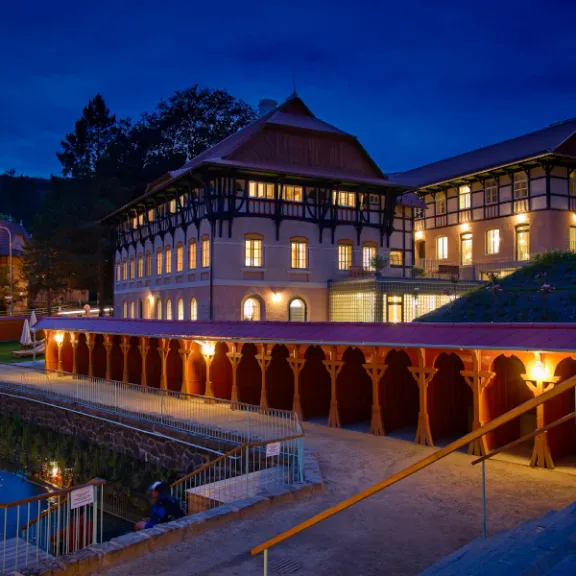
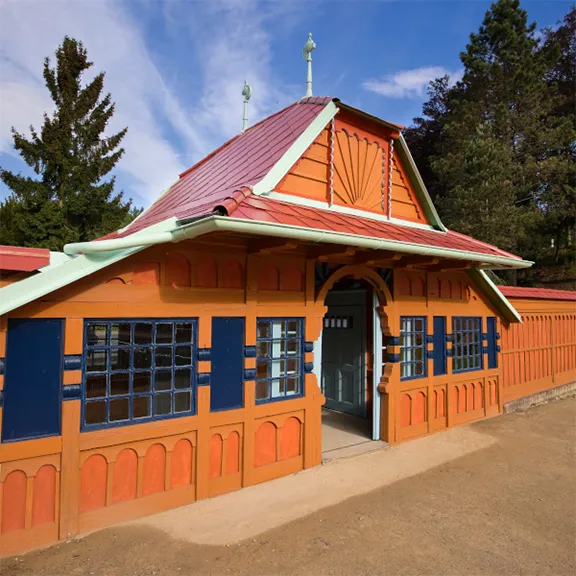
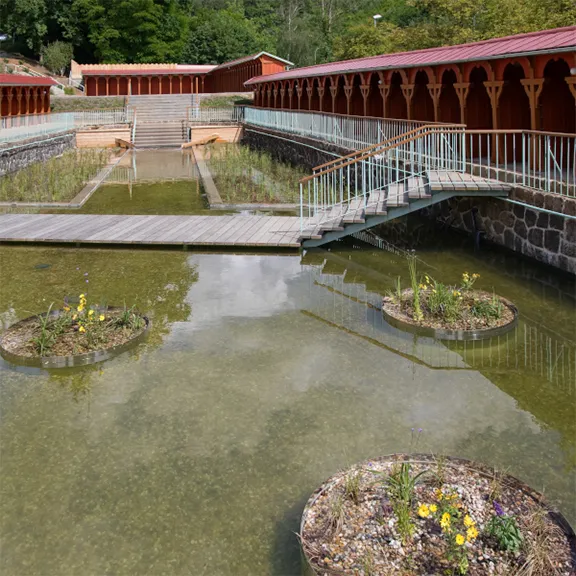
Comprehensive Restoration of the Site
The entire site was gradually restored, including the Hydrotherapy Institute, the Sulphur and Peat Baths, the River and Sun Baths, and a technical outbuilding (the former boiler house and laundry).
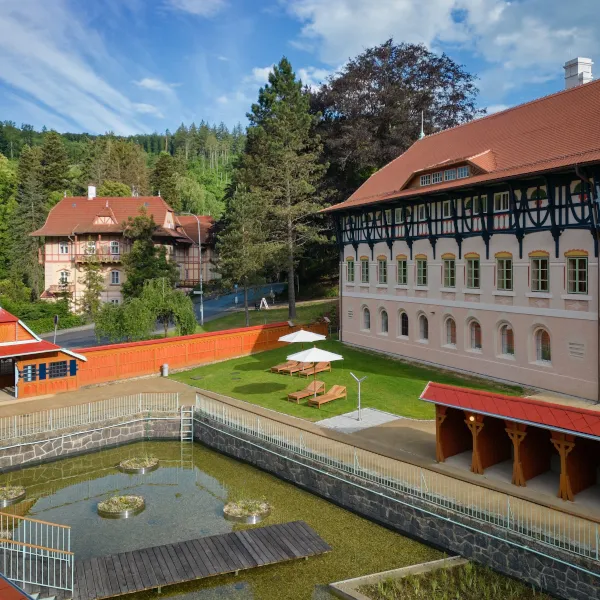
The main focus of the restoration was the architecturally and historically most significant building – the central Hydrotherapy Institute. The former swimming pool remains part of the newly created relaxation zone within the exhibition, but it is no longer used for bathing and has been converted into a natural biotope.
The entire complex now bears the new name “Sun Spa”.
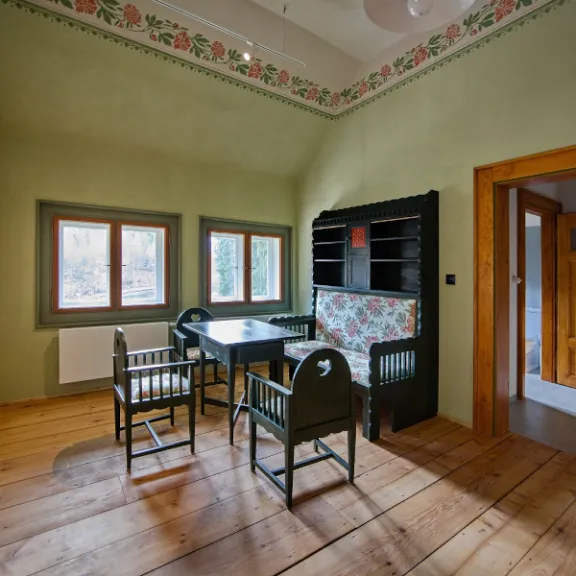
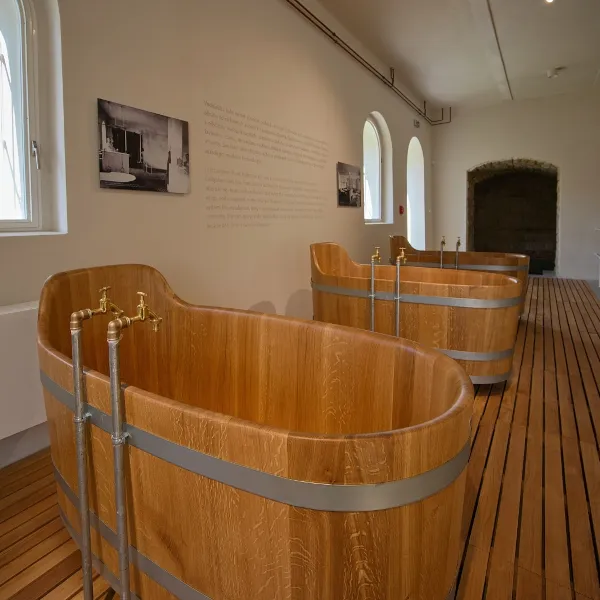
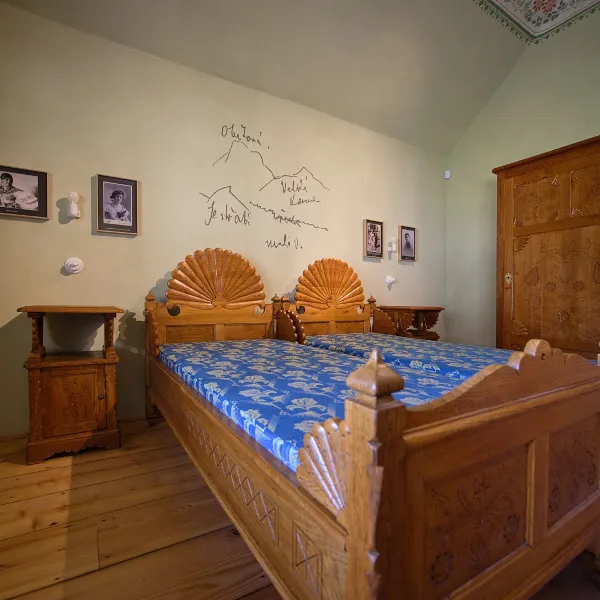
New Use of the Site
The newly designed Sun Spa complex is dedicated to the life and work of the architect Dušan Jurkovič and the composer Leoš Janáček.
The site, completed in 1903 and at its height during the First Czechoslovak Republic, is intended to serve as a tourist attraction for future generations.
The exhibition is divided into three thematic tours:
- History of the Hydrotherapy Institute
- Life and work of Dušan Jurkovič
- Music and work of Leoš Janáček
A freely accessible outdoor tour leads through the restored sections of the River and Sun Baths.
As part of the guided tours, visitors can also access the so-called “Glasshouse” (Skleník), which, in addition to its standard visitor services, can also be used as a venue for cultural events.

The construction project was financed by Lázně Luhačovice, a.s., with support from the Ministry of Regional Development. The total cost of the project amounted to approximately CZK 150 million, of which CZK 71,117,740 was provided as a grant from the Integrated Regional Operational Programme, representing 85% of the eligible expenditure.